WHAT IS THE FUNCTION OF A DIETITIAN-NUTRITIONIST?

As an introduction to the Nutrition and Dietetics area of ​​this newsletter, It seemed appropriate to make known the multitude of functions in which a Dietitian-Nutritionist can work in consultation.

The so-called Dietitian-Nutritionist. He is a health professional who has a degree in Human Nutrition and Dietetics or the old Diploma. It is normal to associate this profession with carrying out weight loss diets., finding in consultation a strong demand of patients requesting this therapy, but a Dietitian-Nutritionist has been trained for at least 3 years at the University to practice in many other areas that I will describe below:

  • Diet therapy in pathological situations: There are many diseases that are related to diet and many others in which correct dietary treatment makes it possible to improve the symptoms and even stop the consequences derived from the disease.. Among them we find: kidney diseases, diabetes, hypertension, endocrine diseases, cardiovascular, digestive, hypertension, hypercholesterolemia, liver diseases, oncology…

  • Eating disorders: When we find cases of anorexia, bulimia, binge eating disorders, It is necessary to combine psychological treatment with nutritional reeducation in order to improve treatment. It is necessary to teach how to have a healthy relationship with food and remove the myths and fallacies that often cloud the minds of these people.. Teaching them the reality of food and guiding them in their refeeding is important to stop the progression of the disorder..

  • Sports nutrition: Thanks to correct dietary advice we can improve a person's sporting performance and teach them to meet their energy and nutrient needs to avoid vitamin or mineral deficiencies..

  • Physiological situations (vital stages): Every life stage (since we are born, we go through adolescence, pregnancy, menopause or old age) has different dietary needs. It is necessary to know our needs at all times in order to enhance the correct development of our body and thus reduce the chances of contracting important diseases.. If you know how to feed yourself and you do it, you will improve your quality of life.

  • Food education: The availability of all types of food and at all times , Today it is very easy for us to provide excess calories to our body, distorting the most primitive signals of appetite and satiety and eating more times than necessary out of impulse or pleasure..
    The main culprit of this is the Food Industry, which makes available to us and advertises with great fanfare an endless range of “superfluous foods” that are difficult to reject. (soft drinks, pastries, snacks, fast food, cereals, gominolas…). Often these “food offers” end up displacing the consumption of real foods that provide essential nutrients for the body.. In consultation we teach you to identify the entire range of existing foods, best and worst, in order to create critical thinking that helps you choose the best option for maintaining your body well-being.


If you still think that the Dietitian-Nutritionist is not going to give you anything that you don't already know, I recommend that you read this post on the Internet: “10 reasons not to go to a Dietician-Nutritionist”:

http://www.anabellanutricionista.com/10-razones-por-las-que-no-ir-a-un-dietista-nutricionista/
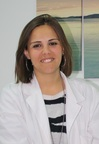
Anabella Lara
Dietitian-Nutritionist at Clínica Salazar
Col. Nº AND 00445

@alaranutricion

Anabella Lara